The Truth About AC Auto Mode and Your Energy Bills
.webp)
If you are like many homeowners, you do not think much about your thermostat until you have a problem. This leads to some confusion about the different settings, especially when you are boiling in the hot Illinois summer.
For your comfort and energy bill management, you need to understand the difference between the auto and on settings on your thermostat. When you set the thermostat to on, it runs continuously. If you set the thermostat to auto, however, the system only runs when the indoor temperature rises above your designated temperature.
Some people think that on mode saves more money than running the HVAC on auto because keeping the fan running helps minimize stress on the system. By running your equipment continuously, however, you increase overall runtime and electricity consumption.
Setting your HVAC to run automatically instead of continuously is more likely to save you money by controlling the runtime. It can also reduce the strain on your air conditioner.
Of course, your savings depend on various factors related to runtime and compressor cycling. Climate, home insulation, system size and SEER rating also play a role.
Keeping your HVAC system in auto mode is the default recommendation for good reason. That said, it may not be the most effective choice for everyone. Wondering, “Does leaving the AC on auto save money?” Here are a few practical answers.
Auto vs. On: How Each AC Setting Works and Impacts Energy Use
In order to determine your AC auto vs. on energy savings, you need to understand what is involved with these settings. The implications of each setting determine your energy savings and overall comfort. Here are HVAC fan settings explained:
- Auto: Your air conditioning runs only to reach your set temperature.
- On: The AC fan runs continuously to circulate air, even when not actively cooling.
Energy implications
When you keep your fan running constantly, you end up with a higher energy bill as a result of the longer runtime. By comparison, running air conditioners in auto mode helps you reduce HVAC energy consumption.
Mechanical effects
Continuous operation puts more stress on your blower motor, which can lead it to fail or need replacement. Going with auto mode can reduce the strain on these components by running the AC only when required.
Comfort trade-offs
Running the HVAC in on mode provides continuous airflow and temperature distribution, which can help your comfort even if it costs more. With auto mode, you may notice slight temperature variations between cooling cycles depending on how hard the equipment has to work to maintain the temperature.
Humidity control
Air conditioners remove humidity through the cooling cycle, not during fan operation. If you use auto mode, you get the benefit of improved humidity control. Constant fan operation from on mode can reintroduce humidity to the home by circulating the air when the system is not cooling.
When Auto Saves the Most Money
In general, when you think about air conditioner runtime efficiency, auto mode is the better choice. This setting allows you to minimize equipment use without exceeding your temperature settings.
When to choose auto for energy savings
Is auto mode better for your air conditioner? You are more likely to lower your energy cost if your home has these features:
- Moderate climate with natural AC cycling
- Optimal insulation that minimizes heat transfer
- A smart or programmable thermostat that you know how to use effectively
If your home does not have these advantages or if you have unique circumstances that affect your home’s cooling, you may need to consider alternative ways to make the AC more efficient.
When to consider on mode for comfort
When choosing between AC fan continuous vs. auto, there are a few times when on mode makes sense:
- Uneven cooling or airflow issues in the home
- Residents who have allergies that call for continuous air circulation
- Short-term use when you have a party or high occupancy in the home
You should keep in mind that you’re less likely to save money this way, even if you follow the ideal thermostat settings for summer cooling.
Factors affecting HVAC system performance
How often should the AC fan run? In the most extreme heat conditions, the air conditioner is going to run frequently regardless. This state reduces the difference between the two modes. When the weather is relatively mild, however, you can see the savings from auto mode.
Remember that other system conditions can dictate your savings, too. A dirty air filter, leaky ductwork or an aging system can negate benefits regardless of the setting.
How to Maximize AC Efficiency Beyond Auto vs. On (and When to Call a Professional)
If you are researching how to lower cooling costs in summer, learning about auto and on modes is a great start. Remember, your system’s energy efficiency, condition and maintenance make a big difference, too. Follow these AC efficiency tips to maximize your savings:
- Use a programmable or smart thermostat to maintain ideal temperatures even when you are away.
- Raise temperature settings by a couple degrees while you are out.
- Replace your air filter regularly to improve airflow and system efficiency.
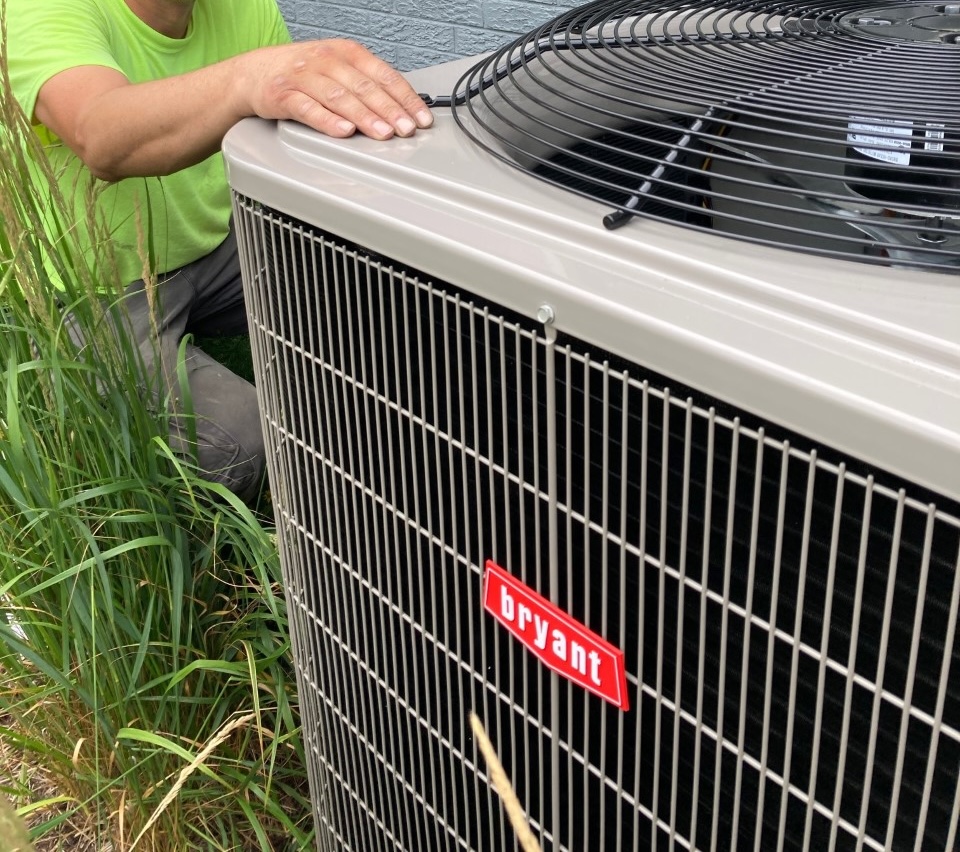
- Trim greenery around the exterior unit and keep it free of debris.
- Use a ceiling fan to circulate cool air.
Pay attention to the way your system operates. If you notice rising energy bills that cannot be explained by usage, inconsistent cooling or constant operation in auto mode, you should consult a professional.
Maximum performance and efficiency start with proper installation and upkeep. Correct sizing and airflow diagnostics can prevent cooling issues before they start. Once you have a system in place, annual tune-ups can maintain efficiency and reduce long-term costs.
Hoping to discover how to reduce air conditioning costs? Mendel Plumbing and Heating can provide the solution with AC installation, maintenance and repair services. We act as your expert resource to evaluate your system, improve energy efficiency and keep your equipment in optimal condition. If your energy bills are high or you’re unhappy with your HVAC performance, schedule a tune-up or inspection. It takes just one call for expert HVAC support.

.webp)