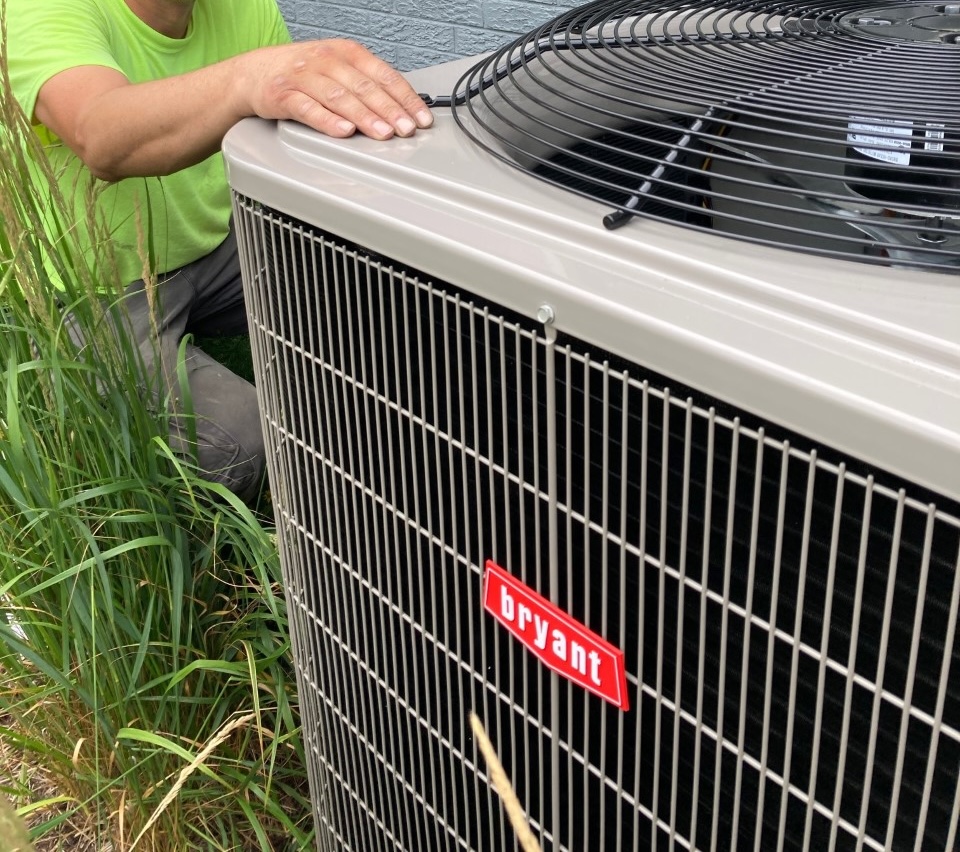
Should You Repair or Replace Your Air Conditioner? Here’s How to Decide

At some point, nearly every homeowner asks the same question: should I repair or replace my air conditioner? Illinois summers can be tough on your cooling system, so when your AC isn't keeping your home comfortable, it's natural to wonder whether a repair will solve the problem or if it's time for a replacement.
If the issue is minor, an AC repair may be all you need. But when breakdowns become more frequent or repair costs keep climbing, replacing the system may make more sense in the long run. Knowing when to replace an air conditioner instead of continuing to pay for repairs isn't always an easy decision. It depends on several factors, including your system's age, repair history, cooling performance, operating costs, and long-term comfort goals.
A regular professional AC inspection and whole-system evaluation can help take the guesswork out of the decision. By looking at the condition of your AC system as a whole, a qualified technician can recommend the option that makes the most sense for your home.
How System Age, Reliability & Repair History Affect the Decision
Illinois summers can take a toll on air conditioner efficiency. Even the best systems gradually lose efficiency and reliability over time. As they age, they may need more frequent repairs, take longer to cool your home, and struggle to maintain consistent temperatures.
Many residential air conditioning systems last around 15 years, although their actual service life depends on equipment quality, installation, usage, climate, and maintenance. Older AC units are also more likely to experience declining efficiency and require more frequent service as components begin to wear out.
One guideline many homeowners use is the "$5,000 Rule." Multiply the age of your AC unit by the estimated repair cost. If the total is more than $5,000, replacement is generally the better long-term investment. For example, if your air conditioner is 12 years old and you're facing a $500 repair, the total would be $6,000. In that situation, many homeowners begin comparing replacement options instead of investing in another repair. Another common rule of thumb is that if a repair costs more than half the price of a new system, replacement is often the more cost-effective choice. These guidelines aren't absolute, but they can provide a helpful starting point when weighing your options.
Still, age isn't the only factor to consider. A well-maintained system that continues to cool your home efficiently may have plenty of life left. Understanding your cooling system lifespan can help you weigh the benefits of another repair against the long-term value of a replacement. On the other hand, frequent repairs rarely add long-term value. They often signal that the system is beginning to wear out. If you're planning to sell your home in the near future, an aging system may also become a point of negotiation with potential buyers.
Signs Repair May Still Be the Better Option
Homeowners don't need to replace their entire AC unit at the first sign of trouble. In many cases, a repair is the better choice, especially if the system is newer or the problem is limited to a single component.
If breakdowns are rare, air conditioner repair costs are reasonable, your energy bills have stayed about the same, and your system is cooling your home well, repairing it often makes sense. Many common problems, including thermostat issues, electrical problems, airflow restrictions, and failed components, can usually be repaired without replacing the entire system.
The key is finding out whether you're dealing with a one-time repair or a sign of a larger problem. While some basic air conditioner troubleshooting may help identify simple issues, professional diagnostics and a whole-system evaluation provide a much clearer picture. A trained technician can determine whether the issue is isolated or part of a broader decline in performance.
Air conditioner maintenance also plays a big role. A system that has been properly maintained is more likely to continue operating reliably after a repair, making it a worthwhile investment. Scheduling regular preventative HVAC maintenance can also help catch small problems before they turn into costly repairs.
When Replacing an Air Conditioner May Make More Sense Long Term
Sometimes, another repair simply isn't the best investment. If your air conditioner keeps breaking down, repair bills continue to add up, or your home never seems to feel as comfortable as it used to, replacing the system may make more sense in the long run.
Repeated breakdowns, declining cooling performance, and rising energy bills often point to a system that's working harder than it should. If your unit is more than 10 to 15 years old, your aging AC system may struggle to keep your home cool during the hottest days of an Illinois summer. A newer system can provide more consistent cooling, better humidity control, improved airflow, and greater overall comfort.
Refrigerant is another factor to consider. If you have an outdated air conditioning unit that uses R-22 refrigerant, future repairs could become more expensive. Because the production and import of new R-22 ended in the United States in 2020, technicians must rely on recycled, reclaimed, or previously produced supplies, whose price and availability may vary.
Replacing an air conditioner is a significant investment, but it can also be an opportunity for a cooling system upgrade. In many cases, a new system offers better reliability, lower operating costs, improved comfort, and greater peace of mind over the long term.
In addition to improving efficiency, replacing an older system can provide quieter operation, more consistent temperatures throughout your home, and better humidity control during Illinois summers. For many homeowners, those everyday comfort improvements become just as valuable as the potential energy savings.
Another advantage of a newer system is improved day-to-day reliability. Instead of wondering whether your air conditioner will make it through another heat wave, you can enjoy more dependable performance with fewer unexpected breakdowns. Many newer systems also include updated technology that helps maintain more consistent indoor temperatures, making your home more comfortable during periods of extreme summer heat.
Comparing Long-Term Costs, Energy Usage & Home Comfort
Repairing an air conditioner is usually less expensive than replacing it, at least in the short term. A lower upfront cost doesn't always mean you'll spend less over time. As an older system wears down, it often uses more energy to cool your home. Over time, those higher utility bills and repeated repair costs can start to add up.
A newer, high-efficiency system may cost more initially, but it can also cool your home more effectively while using less energy. For many homeowners, residential AC replacement becomes a worthwhile investment because better performance, lower monthly utility bills, and fewer unexpected repairs can reduce long-term costs.
If you're concerned about the upfront cost, remember that you may have options. Some homeowners qualify for cooling system financing, manufacturer incentives, rebates, or utility programs that can help make an air conditioning replacement more affordable. Available incentives vary based on the equipment you choose and where you live, so it's worth asking your HVAC contractor about current programs. In many cases, lower monthly energy bills can also help offset part of the investment over time.
Before making a decision, think beyond the repair bill in front of you. Consider how reliable your current system has been, how comfortable your home feels during the summer, and how much you're spending to keep it running. Looking at the bigger picture often makes the right choice much clearer.
How to Make the Right Repair or Replacement Decision for Your Home
Deciding whether to repair or replace your AC unit isn't always easy. Your system's age, repair history, cooling performance, and energy costs all play a role. As a general HVAC replacement guide, if your system is more than 10 to 15 years old, needs frequent repairs, and isn't cooling your home as well as it once did, it may be time to consider an AC replacement. Still, every home is different, so it's important to evaluate the overall condition of your system instead of relying on a single rule or symptom. That's why a professional evaluation is so valuable. Rather than relying on guesswork, you can make your decision based on the actual condition of your air conditioning system and your family's comfort needs.
If you're unsure which option makes the most sense, schedule an AC inspection before a minor problem turns into a major one. A professional whole-system evaluation can help you understand what's causing the issue, whether a repair is likely to last, and when replacement is the better investment. During the evaluation, a technician can assess your system's overall condition, identify worn components, and explain your options so you can make an informed decision without unnecessary guesswork. If you're experiencing cooling problems now, Mendel's air conditioning services can help you determine the best next step.
Mendel Plumbing, Heating, Cooling & Electrical has helped homeowners throughout the Fox Valley and western Chicago suburbs make informed decisions about their cooling systems for years. Their team takes an educational, homeowner-first approach, giving you honest recommendations without high-pressure sales tactics. If you need help comparing your options or understanding your AC replacement cost, they're here to help. Request a cooling system evaluation today and get the information you need to make the best decision for your home.

.webp)