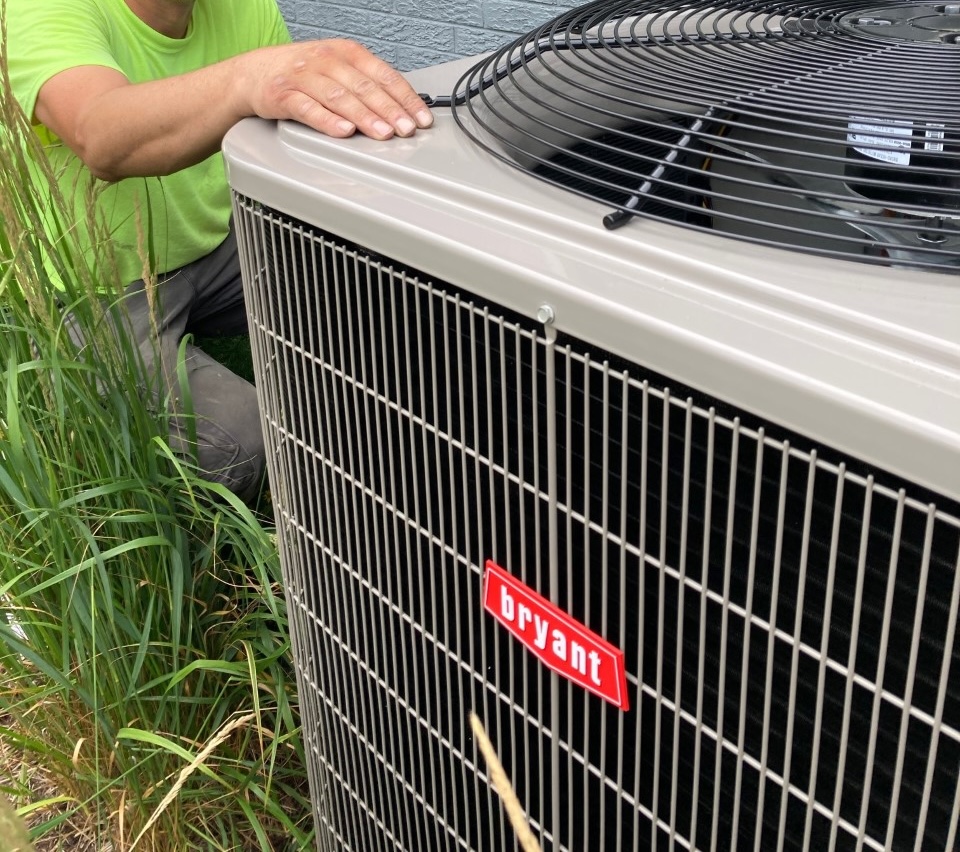
Heat Pump Installation Services: What to Expect
A heat pump can provide both heating and cooling, making it a year-round HVAC option for many homeowners. In northern Illinois, choosing the right system means accounting for wide seasonal temperature swings and making sure the equipment can meet the home’s comfort needs efficiently.
The process starts with a careful evaluation of the home. Size, layout, insulation, and existing HVAC components can all affect which heat pump is appropriate and what the installation will involve. Mendel Plumbing and Heating installs and services heat pumps for homeowners in St. Charles and surrounding Fox Valley communities.
What Happens During Heat Pump Installation
Before choosing a heat pump, the contractor should determine the home’s heating and cooling load. A load calculation considers insulation, windows, air leakage, and local weather conditions. It helps estimate the right system capacity and gives the contractor a better starting point than square footage alone.
This calculation helps avoid equipment that is too small or too large for the space. An undersized heat pump may struggle during demanding weather, while an oversized system can cycle more frequently than intended. Either problem can affect comfort and efficiency.
Once the system size is established, the contractor can look at the rest of the home’s setup. Existing ductwork, electrical capacity, and equipment placement may require additional work before installation can move forward. That could include modifying ducts, upgrading electrical components, or choosing a different location for the indoor or outdoor equipment.
Before installation day, homeowners should prepare the space. Since the contractor will need clear access to the indoor and outdoor equipment areas, any furniture, storage, or other obstacles should be moved out of the way. If the old equipment is being replaced, it will also need to be disconnected and removed before the new system can be installed.
During installation, the technician will put the new equipment in place and complete the necessary connections. This includes electrical and refrigerant work, plus tying the heat pump into the home's existing setup. The technician should then test the system in its different operating modes, check thermostat response, and confirm that the equipment is running as intended.
Choosing the Right Heat Pump for Your Home
Choosing a heat pump starts with the home’s layout, existing HVAC setup, and how you want to control temperatures throughout the space. For homes that already have a central distribution system, a ducted air-source heat pump is often the most straightforward option.
If the home does not have ductwork in certain areas, a ductless mini-split — also an air-source system, but without central ducts — may be a better fit. Individual indoor units serve specific spaces, which can be useful for additions, converted rooms, or areas that are consistently difficult to keep comfortable. This setup allows for more flexible zoning, although larger homes may need several units for full coverage.
Geothermal heat pumps offer another approach by using relatively stable underground temperatures for heat exchange. Because geothermal systems require ground loops, installation is more involved and typically calls for enough outdoor space to accommodate the loop field. hey may appeal to homeowners who plan to stay in the home long term and are comfortable with a larger upfront investment in exchange for efficient year-round operation.
For northern Illinois homes, cold-weather performance should be part of the system comparison. Cold-climate models are designed to operate at lower outdoor temperatures, so the contractor should consider how much heat the home will need during the coldest stretches of winter. From there, the available options can be compared based on the home’s layout, existing equipment, outdoor space, and installation requirements.
Heat Pump Efficiency and Cold-Weather Performance
SEER2 and HSPF2 are two ratings homeowners can use to compare heat pump efficiency. SEER2 reflects cooling performance over a typical season, while HSPF2 reflects heating performance. Higher ratings generally indicate a more efficient system.
Those ratings are useful for comparison, but they do not show how much heat a system can provide when outdoor temperatures drop. As the weather gets colder, some heat pumps may deliver less heat and have to work harder to maintain indoor comfort. Cold-climate models are designed to perform better under those conditions, but the system still needs to be sized for the home’s winter heating demand.
That sizing decision affects how often backup heat may be needed. During the coldest stretches, some homes may rely on a furnace or built-in electric backup heat to help maintain a comfortable temperature. A contractor should account for those conditions when recommending equipment so homeowners understand how the system is likely to perform throughout the winter.
How Much Does Heat Pump Installation Cost?
There is no single price for heat pump installation because the final cost depends on the equipment, the home’s existing HVAC setup, and the work needed to install the new system.
The type and size of heat pump are two of the biggest variables. A larger-capacity system generally costs more than one sized for a smaller heating and cooling load, and higher-efficiency models carry a higher upfront equipment cost. Ductless systems can vary in price depending on how many indoor units are needed to serve the home. Geothermal systems involve a much more extensive installation because ground loops must be installed outside the house.
The existing HVAC system can change the amount of work involved. Replacing an older heat pump with a similar system may require fewer modifications than converting from a furnace and central air conditioner. Depending on the home, the project may require new wiring, thermostat changes, ductwork modifications, or an electrical panel upgrade.
Labor costs can vary based on how easily technicians can reach the equipment and how much preparation the project requires. Removing an old system, modifying ducts, running new electrical connections, or installing several indoor units can all add labor. For those reasons, two heat pump installation quotes may differ even when the equipment appears similar.
If you are deciding between another repair and replacement, you may hear about the HVAC “$5,000 rule.” This informal guideline multiplies the age of the equipment by the estimated repair cost; if the result is more than $5,000, replacement is generally considered the better value. It is not an industry standard, so the system’s condition, efficiency, repair history, and expected service life should carry more weight than the formula alone.
For homeowners concerned about the upfront expense, Mendel Plumbing and Heating offers financing options for qualifying customers. Financing can make the initial cost easier to manage while you compare equipment and installation options.
After Installation: Heat Pump Maintenance and Repair
Regular heat pump maintenance helps keep the system operating properly after installation. A technician can clean and inspect key components, check the refrigerant charge, test the thermostat, and look for airflow or drainage issues that could interfere with operation.
Because the system operates in both summer and winter, servicing it twice a year gives a technician a chance to check it before each peak season. A spring visit can prepare the equipment for cooling demand, while a fall visit can focus on heating performance before colder weather arrives. The technician can check airflow, system operation, and component wear during each visit.
Changes in performance between visits can signal that a repair is needed. Short cycling, unusual noises, weaker output, or an unexpected increase in energy use may point to problems with refrigerant, electrical components, the compressor, fan operation, or another part of the system. Having the system checked when these changes appear may keep a smaller problem from turning into a more involved repair.
MendelCare, our home service plan, includes twice-yearly AC tune-ups to help homeowners stay on a consistent service schedule. Mendel Plumbing and Heating also offers same-day service availability during regular business hours when repair needs arise.
Why Choose Mendel Plumbing and Heating
Mendel Plumbing and Heating is a family-owned company that has served St. Charles and surrounding Fox Valley communities since 1985. We install, maintain, and repair heat pumps along with other heating and cooling systems, so homeowners can turn to the same local team for new equipment and ongoing service.
Heat pump installation can involve work beyond the HVAC equipment itself. Because we also handle electrical work and other home systems, we can coordinate related needs that come up during the project. Our broader services include plumbing, generators, and remodeling.
We provide upfront pricing so homeowners can understand the scope and cost of the proposed work before installation begins. For those comparing heat pump installation services, our local experience and ability to coordinate related work can make the project easier to manage from the initial evaluation through future maintenance.
Schedule a Heat Pump Installation with Mendel
Selecting a heat pump starts with understanding the home’s year-round comfort needs and installation requirements. A professional evaluation can help narrow the equipment options and identify any related work before installation begins.
Mendel Plumbing and Heating serves homeowners throughout St. Charles and surrounding Fox Valley communities. If you are considering a new system, schedule service with Mendel to discuss your options.

.webp)