Power Surge Protection Tips: Keep Your Home & Electronics Safe
What Causes Power Surges and Why They’re More Common Than You Think
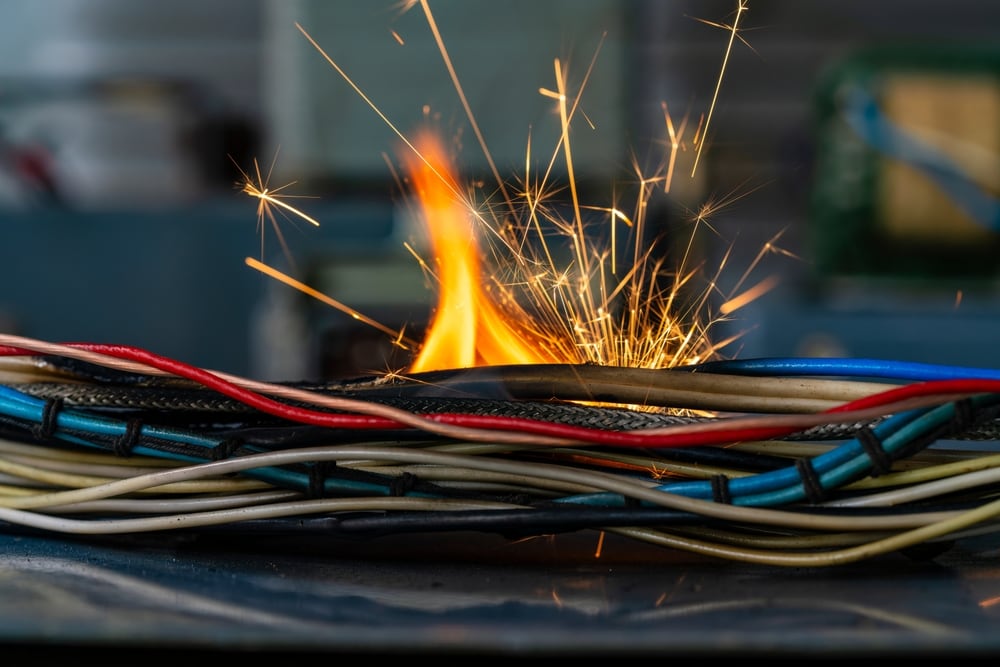
A power surge is a sudden spike in voltage above the standard 120 volts supplied to U.S. homes. According to the U.S. Department of Energy (DOE), surges often last less than a thousandth of a second but still deliver enough force to damage sensitive electronics.
It’s important to distinguish surges from voltage spikes. Surges are very short-lived increases in voltage, while spikes are even faster, high-intensity jolts. Both stress your electrical system, but spikes are more likely to cause instant equipment failure.
Most surges come from inside the home. Appliances with motors—including refrigerators, washing machines and HVAC systems—generate small surges when they cycle on and off. Every time these devices draw power to start, they can send excess electricity back through your wiring. Over time, that backfeed adds up, wearing down delicate circuits.
Other common sources of internal surges include:
• Hair dryers and space heaters – high-draw appliances that spike voltage when switched on
• Furnaces and air conditioners – heavy cycling creates repeated surges, sometimes damaging control boards
• Garage door openers and pumps – sudden motor starts push voltage fluctuations into your system
Unlike lightning-related spikes, these smaller surges often go unnoticed. But the cumulative effect is just as damaging—shortening the life of computers, TVs, routers and other electronics.
External surges, though less frequent, are usually stronger. They can be triggered by:
• Lightning strikes – sudden discharges that inject massive voltage into power lines
• Downed power lines – fallen lines can cause irregular voltage flow back into connected systems
• Utility grid switching – rerouting power during outages creates sudden fluctuations
• Transformer malfunctions – faulty equipment can send unpredictable surges downstream
Illinois homes face particular risk during summer storms and Midwest winters, when the power grid is stressed by heavy cooling and heating demand. The Institute of Electrical and Electronics Engineers (IEEE) notes that these external surges can enter through utility lines and instantly damage wiring and devices.
Without safeguards, surges cause both immediate breakdowns and long-term degradation of electronics and appliances.
How to Use Surge Protectors Safely in Your Home
Surge protector use is one of the easiest defenses against surge damage, but they must be used correctly. The U.S. Consumer Product Safety Commission (CPSC) recommends using only UL-listed devices with a clear joule rating.
Most vulnerable electronics to surges
Some items are especially at risk from power surges because of their sensitive electronics or high replacement cost:
• Computers and laptops – vulnerable power supplies and data loss
• Televisions and home theaters – delicate processors and HDMI boards
• Gaming consoles and routers – chips and connectivity can fry instantly
• Kitchen appliances with electronics – microwaves, refrigerators and ovens rely on fragile control boards
• Smart home devices – thermostats, cameras and hubs can be knocked out by small surges
• HVAC systems – motors and control boards face both internal and external surges, sometimes leading to cooling or heating check-ups or repairs
If it has a microprocessor, digital display or high replacement cost, it should be protected. For larger systems like HVAC, whole-house surge protection is the safest option.
For small items like lamps or clocks, 600 joules provides basic coverage. For computers, TVs and home office setups, look for protectors rated at 2,000 joules or higher.
Common mistakes to avoid include:
• Daisy chaining – plugging one surge protector into another increases overload risk
• Overloading amperage – stay under 80% of its rated capacity. For a 15-amp strip, don’t exceed 12 amps
• Using in unsafe areas – don’t place protectors near heaters or in damp basements unless outlets are protected by GFCI
• Running cords under rugs or furniture – trapped heat increases fire hazard
• Plugging into an uninterruptible power supply – unnecessary and sometimes harmful since UPS systems and protectors can interfere with each other
Another important point on surge protector use: they don’t last forever. Their capacity depletes with every surge absorbed. Depending on use and exposure, most last 5–10 years. If the housing cracks, the cord wears or the indicator light goes out, replace it. Otherwise, you may think you’re protected when you’re not.
Not all power strips are surge protectors. If it lacks a joule rating and protection indicator, it won’t shield against surges.
How to Choose the Right Surge Protector for Each Device
Knowing how to choose a surge protector comes down to understanding specs. The most important ones are joule rating, clamping voltage and certification.
• Joule rating – measures how much energy the protector can absorb before failure. Higher joules mean more protection
600–1000J: lamps, clocks
1000–2000J: TVs, routers, gaming consoles
2000+J: PCs, entertainment centers, home offices
• Clamping voltage – the point where the protector redirects excess voltage. Lower is safer—330V is considered ideal
• UL 1449 certification – confirms the device meets tested safety standards for surge suppression
Other features worth noting include:
• Response time under one nanosecond
• LED indicators that show when protection is active
• Spaced outlets for bulky adapters
• Built-in USB ports or Ethernet/coax protection
• Lifetime warranties from reputable brands
So how do surge protectors work? They absorb excess voltage and divert it safely into a grounded path before it can reach your electronics.
Remember that joule ratings aren’t permanent. Every surge depletes capacity. If you live in a storm-prone part of Illinois, consider replacing protectors sooner than the typical 5–10 year window.
Do You Need Whole-House Surge Protection?
While plug-in protectors shield electronics, they can’t cover everything. That’s where whole house surge protection comes in.
These devices are mounted at your electrical panel and stop large surges before they move through home wiring. They’re especially important for protecting:
• HVAC units
• Ovens and stoves
• Garage door openers
• Solar energy systems
• Built-in lighting and smart home devices
What is panel-mounted protection?
Panel-mounted surge protection refers to devices installed at your home’s main electrical panel. They intercept high-voltage surges—often caused by lightning or utility switching—before the excess energy spreads through your wiring. By guarding all circuits at once, these protectors create a first line of defense for your entire home.
The DOE recommends whole-home protection for residences with high-value electronics and hardwired systems. Installation costs are generally under $500, a fraction of the cost to replace an HVAC unit or rewire a home. Some insurance companies even offer premium discounts for homes with documented surge protection.
Whole-house protectors don’t replace point-of-use strips but work in tandem. Think of them as the first line of defense, while outlet protectors handle smaller surges at the device level.
Because installation requires connection to your main service panel, it should only be performed by a licensed electrician. Mendel’s team installs these systems regularly, ensuring proper grounding and compliance with National Electrical Code standards.
Everyday Habits That Help Prevent Power Surge Damage
Technology is only half the battle. Habits matter just as much in keeping your home safe. Storms, for example, often trigger surges when lightning strikes utility lines or transformers, dumping a massive burst of voltage into the grid. That extra energy travels through power lines and into home wiring. Even without a direct hit, outages and utility switching during storms can cause sudden changes in current that result in smaller surges.
During lightning storms or extended outages, unplug sensitive electronics like TVs, computers and modems. A surge protector for power outage recovery can help reduce damage when electricity is restored. Always power down devices before restoring electricity after an outage. Post-outage surges are common and can lead to surge failure.
Avoid plugging high-draw appliances into the same protector as electronics. Space heaters, toasters and hair dryers should always have their own outlet.
Keep surge protectors in dry, ventilated areas. Don’t hide them behind furniture or near washers and sinks.
Unplug electronics you rarely use. The DOE reports that phantom loads can account for up to 10% of household electricity use. Unplugging cuts wasted energy and lowers exposure to surges.
Surge protector safety tips also include performing a quarterly check of protectors and cords. Replace any that show cracks, discoloration or failed indicator lights. A small inspection habit can prevent large repair bills later.
When to Call a Licensed Electrician for Surge Protection Help
Some problems can’t be solved with store-bought devices. Call a professional if you notice:
• Warm or discolored outlets
• A burning smell from outlets or your panel
• Circuit breakers tripping frequently
• Lights flickering in multiple rooms
Licensed electricians can install whole-house surge protection, replace outdated panels, confirm grounded outlet connections and balance circuits. They can also help match the right surge protector for specific appliances.
Professional help is especially valuable if your home includes solar panels, EV chargers or a dedicated office setup. Frequent HVAC surges can also strain your system, sometimes leading to the need for cooling or heating check-ups or repairs.
Mendel electricians frequently see Illinois homes with aging or DIY wiring, which heightens surge risk. Addressing wiring and outlet safety early protects both your appliances and your home.
Protect Your Home with Surge Solutions from Mendel
Power surges are more common than most homeowners realize, but protection is simple. The best defense is layered: whole-house surge protection paired with point-of-use devices and good daily habits.
Take a moment to assess your setup:
• Are your surge protectors rated properly?
• Do you have panel-mounted protection installed?
• Are your outlets grounded and safe?
Mendel Plumbing, Heating & Cooling's electrical services include whole-house surge protector installation, outlet upgrades and panel replacement. With licensed professionals, transparent pricing and decades of local expertise, Mendel helps Illinois homeowners protect what matters most.
Surge protection is a core part of overall energy safety in modern homes. And that peace of mind is worth the investment. With the right safeguards in place, you can protect home from power surges, extend the life of your electronics and avoid unnecessary damage.

.webp)