Why Toilet Tanks Crack & How to Prevent Future Damage
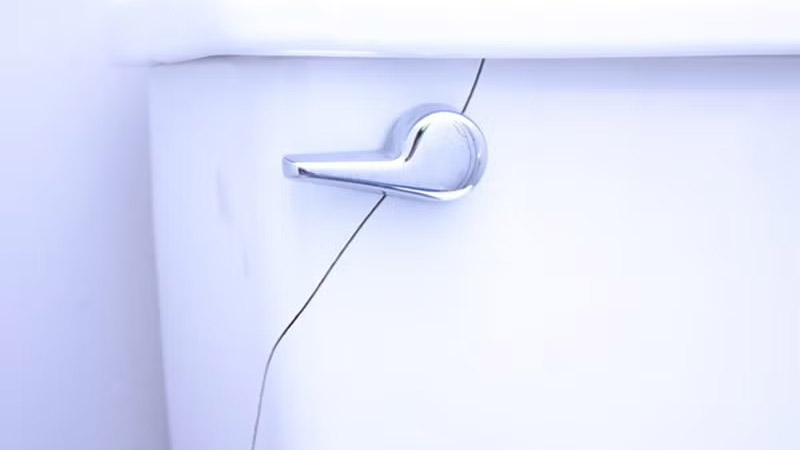
What Causes a Toilet Tank to Crack?
Like any other fixture, your toilets can endure some heavy use and wear over the years. Although cracks are not a sign of normal operation, they can happen when you haven’t done anything at all. Common ceramic toilet crack causes include:
- Aging Materials: As your toilet ages more than 10 to 15 years, constant exposure to water, cleaning chemicals and temperature shifts can cause the tank to become more brittle.
- Thermal Stress: Changing the temperature of your toilet tank rapidly, such as flushing with cold water when your home is unusually hot, can cause the porcelain to expand and contract, increasing the likelihood of cracking.
- Accidental Impact: If you drop something, like a glass bottle, you can cause damage. Even a minor crack can get worse over time.
- Overtightened Bolts: Overtightening the mounting bolts securing the tank to the bowl can put stress on the porcelain around the bolts, leading to small cracks that spread.
- Manufacturer Defect: Sometimes a mistake in the manufacturing process can create weak spots that will eventually crack.
Knowing the cause is important to finding the solution, so that you don’t end up with same problem over again.
Where Do Toilet Tank Cracks Usually Form?
If you’re wondering where you can look for hairline cracks in your toilet, you should start by inspecting the high-stress areas. These include holes around the mounting bolts, the junction between the tank and the bowl and the back of the tank. Consider lifting the lid and looking for signs that the tank is cracking around the top, especially if you have a habit of dropping stuff on it.
Although a cracked tank usually shows up in these areas, you may have issues in other places. In general, you should look for cracks below the water line, as they can have the toilet tank leaking water into other places. These leaks can promote mold growth and cause other damage. Fluctuations in pressure and usage can cause a crack to extend or widen. You may notice that you have an issue if you observe a drop in water level, wetness around the crack or puddling water around the toilet with no other obvious cause. If you don’t address a cracked porcelain toilet promptly, the toilet tank may fail entirely.
How to Respond to a Cracked Toilet Tank
When you see a toilet tank crack under the water line, you’ll want to take a few steps to inspect and address it:
- Shut off water to the toilet to prevent more water damage.
- Empty water from the toilet tank and bowl and dry the tank completely. Use towels or a shop vac to remove the water and allow it to dry fully before proceeding.
- To fix a hairline crack in a toilet tank above the water line, you may be able to use waterproof epoxy or porcelain sealer. These are stopgap measures that will at least provide a short-term fix.
- Avoid using DIY solutions like superglue, duct tape or silicone caulk. These often fail over time, even if they momentarily stop the leak.
- If you notice a wide crack or a crack that is near mounting hardware or below the water line, you probably need to replace the entire tank.
When you are dealing with a complete toilet tank structural failure, you’ll be better off calling a plumber for toilet repair.
Can You Prevent a Toilet Tank From Cracking?
If you’d like to avoid this hassle in the first place, there are a few things you can do to reduce your risk. Try these tips to minimize the causes of toilet leaks:
- Handle the lid safely. Place it on a towel while you clean the tank and replace it carefully.
- Address issues with water pressure, especially if your household water pressure is higher than 60 pounds per square inch (psi).
- If you have to disconnect the tank from the bowl during installation or repairs, be sure to hand-tighten the bolts with a wrench. Firm tightening is usually sufficient to keep the fixture in place.
- Set a reminder to check your toilets at least once a year for cracks or signs of stress.
These steps can reduce your likelihood of toilet tank cracks.
When Is It Time to Replace the Entire Toilet?
Before you start dealing with a fix, you should consider the reasons for toilet tank repair vs replacement. Here are a few factors to evaluate when making a decision:
- Toilet Age: Toilets that are 15 years old or older are more likely to continue cracking, and you’ll probably get greater efficiency from a new toilet.
- Extent of the Crack: If the crack is widening or looks like spiderwebs across the tank, it may be too hard to find a permanent solution without replacing it.
- Component Availability: If your toilet is so outdated that you can’t find parts for it, you may have no choice but to replace it.
- Existing Water Damage: If the crack is causing significant water damage, you may need to remove the toilet to address mold growth or rot behind the toilet anyway.
Remember that the toilet tank replacement cost may be a small fraction of what you’d pay to deal with extensive water damage from even a small leak.
Cracked Toilet Tank? Trust Local Plumbers for Fast, Reliable Service
If your toilet tank is cracked, it’s time for expert toilet repair from a plumbing expert. At Mendel Plumbing & Heating, our plumbing contractors serving Illinois can evaluate your problem and provide a prompt solution. We can determine whether a crack repair will address the issue or if you need a full tank replacement. We can often replace a tank or toilet in a single visit. The right solution can prevent leaks with proper installation, secure mounting and correct water pressure. We offer same-day appointments across the Chicago area to help you get your toilet working again with no leaks.
SOURCES
https://www.flyplumbing.com/understanding-cracks-in-toilet-tanks-causes-and-risks
https://www.thespruce.com/assessing-and-repairing-a-cracked-toilet-2719016
https://www.adavenplumbinginc.com/blog/can-a-hairline-crack-in-toilet-tank-be-repaired
https://www.plbg.com/forum/read.php?1,389641

.webp)